
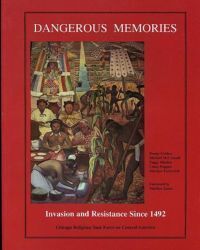
Dangerous Memories — Expanded Introduction
“Dangerous memories” are the stories that refuse to stay quiet—the memories of harm, erasure, and courage that disturb our complacency and call us to repair. Across wisdom traditions and social movements, remembering is not nostalgia; it is an ethical practice that re-humanizes those pushed to the margins and insists on justice.
Dangerous Memories is offered as a catalyst for that kind of remembering. It invites readers and groups to face hard histories, sit with lived testimony, and connect personal experience to structural realities—so that memory becomes a pathway from empathy to action. In the spirit of our Justice & Integrity Pillar, and aligned with Spirituality, Love & Hope, this resource helps communities move through three linked movements: remember → reckon → repair.
What you’ll gain
- A deeper lens for understanding how past harms shape present inequities.
- Practices for listening to testimony with dignity and care (story circles, reflective journaling, guided dialogue).
- Tools to translate memory into commitments: acknowledgement, amends, policy change, and community projects.
- A restorative stance that centers dignity, accountability, and healing over punishment and denial.
Who it’s for
- Educators and students building humane, justice-centered classrooms.
- Faith and interfaith communities seeking truth-telling, lament, and reconciliation.
- Civic leaders, museum/program curators, and grassroots organizers designing public conversations.
- Youth groups and cross-generational circles exploring identity, power, and belonging.
How to use it (quick formats)
- Reading circle (60–90 min): grounding question → short passage/story → small-group dialogue → personal/action takeaway.
- Story circle (90 min): community agreements → timed storytelling rounds → collective themes → repair ideas.
- Service + Reflection (half-day): local site visit → facilitated dialogue → map “harms/needs/responsibilities/repair.”
- Seasonal series (4 weeks): Week 1 Remember; Week 2 Reckon; Week 3 Repair; Week 4 Commit (public witness or project).
Facilitation notes (trauma-informed)
- Open with clear agreements (confidentiality, speak from “I,” curiosity, time awareness).
- Offer content notes and support options; never pressure disclosure.
- Balance hard truth with protective practices (breath, silence, music/poetry, brief grounding).
- Close with next steps (personal, local, structural) so difficult memory is honored by action.
Why it matters now
In a time of polarization, Dangerous Memories helps communities cultivate moral imagination: we remember in order to belong differently—to one another and to a more just future. Used with restorative practices and concrete action plans, it turns remembrance into repair.