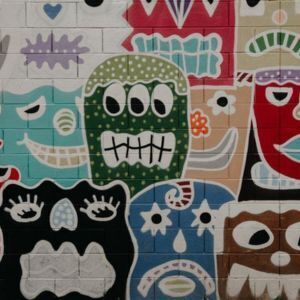
The arts are not a frill. The arts are a response to our individuality and our nature, and help to shape our identity. What is there that can transcend deep difference and stubborn divisions? The arts. They have a wonderful universality. Art has the potential to unify. It can speak in many languages without a translator. The arts do not discriminate. The arts can lift us up.
~ Former U.S. Texas Congresswoman Barbara Jordan
Arts, Music, and Gratitude Pillar
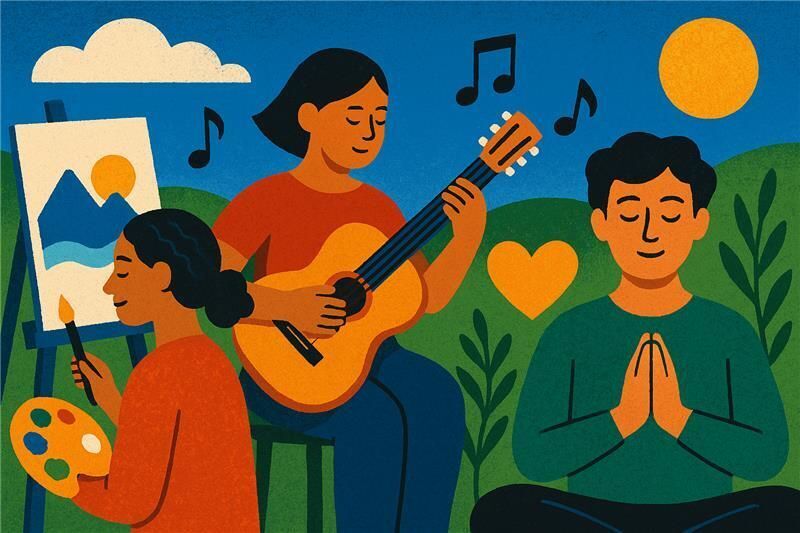
Art, music, and gratitude are interwoven expressions of our shared humanity. From prehistoric cave paintings to today’s digital storytelling, the arts have borne witness to joy and suffering, hardship and hope, while imagining futures yet to come. Through sound or silence, words or images, creative expression can break a heart, heal a wound, provoke laughter, or inspire action.
This pillar honors the arts as a vehicle of compassion, empathy, and social change, while also lifting up gratitude as both a practice and perspective. Gratitude invites us to pause, to recognize beauty even amidst pain, and to celebrate the resilience of individuals and communities. Together, arts, music, and gratitude foster connection, nurture healing, and create spaces where people can meet across differences in unity.
Ubuntu Alignment
Art and music are collective expressions of gratitude and unity. Gratitude deepens this alignment by reminding us of our interdependence, our shared abundance, and our responsibility to honor what we have been given by nurturing one another and the Earth.
Charter Alignment
The Charter for Compassion calls us to refrain from inflicting harm—including through divisive rhetoric and dehumanizing narratives. The arts and gratitude counter these forces by telling stories that uplift rather than divide, and by cultivating empathy, resilience, and joy.
Mission
Utilize the arts, in all their forms, together with gratitude practices, to express and embody the heart of compassion.
Vision
A world where creativity and gratitude transform relationships, communities, and societies, fostering compassion, justice, and healing.
Goals
- Promote Compassion: Use the arts and gratitude practices to evoke empathy, challenge biases, and encourage deeper understanding.
- Advance Social Justice: Amplify marginalized voices and advocate for equality through creative and expressive forms.
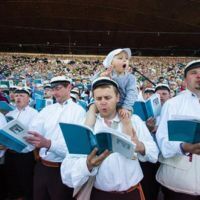
- Foster Community Engagement: Create participatory spaces—festivals, workshops, and performances—where communities share and celebrate together.
- Support Healing and Well-Being: Use creative expression and gratitude practices to foster resilience, emotional release, and personal growth.
- Inspire Gratitude as Practice: Embed gratitude rituals—story circles, music, art exhibits, and shared acknowledgments—into projects, reinforcing connection and joy.
Strategies and Applications
- Foster artistic collaborations that build empathy and cultural understanding.
- Use arts, music, and gratitude as tools for healing, advocacy, and community-building.
- Develop inclusive programs that are accessible to all, regardless of background or ability.
- Incorporate gratitude practices into cultural initiatives, from expressions of thanks at community events to art and music projects explicitly honoring gifts, heritage, and shared humanity.
- Partner with cultural institutions, schools, and local organizations to expand reach and sustainability.