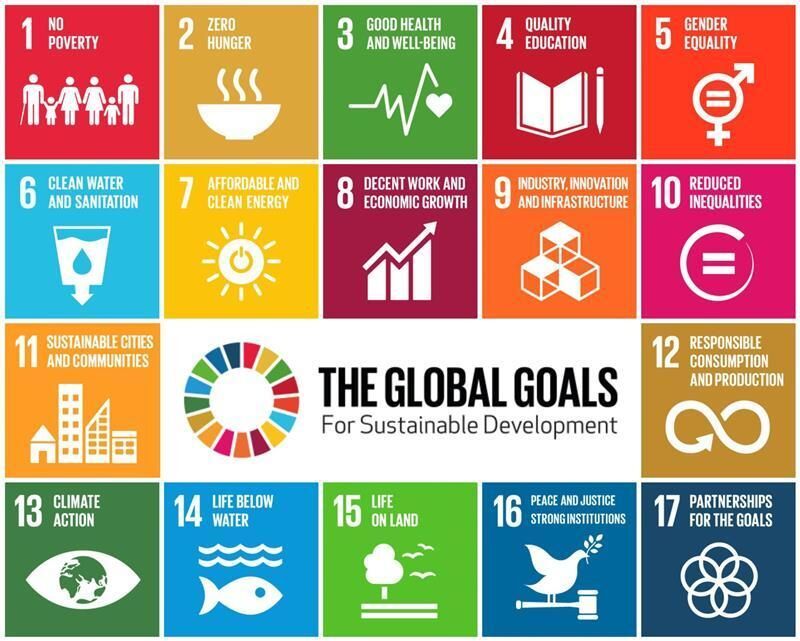

Photo by Clay Banks on Unsplash
Join the Social Justice Partner Monthly Meeting!
Join us on the 2nd Friday of every month.
Oct. 10, Nov. 14, Dec. 12.
Peace






Restorative Justice


Social Justice




There must exist a paradigm… that links transforming consciousness to transforming structures.
~ bell hooks
We are caught in an inescapable network of mutuality, tied in a single garment of destiny.
~ Rev. Dr. Martin Luther King, Jr.
Purpose
The Justice & Integrity Pillar advances dignity, safety, and belonging for all people by integrating social justice, restorative justice, and peacebuilding. We work at two levels—inner integrity (courage, empathy, accountability) and structural integrity (policies, practices, and systems that are fair and humane).
Mission
To inspire and equip communities to practice compassion-based justice—healing harm, transforming conflict, and reforming systems—so everyone can thrive with dignity.
Vision
Inclusive, peaceful communities where people resolve conflict nonviolently, institutions act with fairness and transparency, and the most marginalized are centered in decisions that shape their lives.
Guiding Principles
- Equity over sameness: Different starting points require different supports.
- Intersectionality: Solutions must address overlapping identities and oppressions.
- Human rights & the Golden Rule: Dignity, safety, and reciprocity for all.
- Accountability with repair: Take responsibility, make amends, rebuild trust.
- Nonviolence: Dialogue, mediation, and reconciliation over punishment or force.
- Community voice: Those most affected lead; all stakeholders participate.
- Continuous learning: Reflect, measure, and improve together.
Goals
- Advance Social Justice
Confront systemic inequities; expand access to rights, resources, and representation.
- Strengthen Restorative Justice
Normalize practices that repair harm, restore relationships, and reintegrate people.
- Build Positive Peace
Prevent violence, transform conflicts, and foster conditions for long-term stability.
- Cultivate Trust & Integrity
Promote transparency, ethical conduct, and shared decision-making in institutions.
- Empower Communities
Equip youth, women, and marginalized groups to lead change and shape policy.
Core Strategies
- Education & Formation
Trainings on equity, trauma-informed practice, restorative circles, mediation, nonviolence, and ethical leadership.
- Restorative Practices
Victim–offender dialogues, community/restorative conferences, school-based circles, and reentry support plans that prioritize healing and accountability.
- Dialogue & Mediation
Facilitate community dialogues across difference; support local peace tables and conflict transformation processes.
- Policy & Systems Change
Partner to reform policies (e.g., discipline, policing, housing, health access) to reduce harm and increase fairness; publish toolkits and Compassion Readers.
- Partnership Networks
Connect grassroots groups, compassionate cities, service agencies, and justice advocates to collaborate rather than compete.
- Research, Data & CQI
Gather feedback, track outcomes (e.g., harm repaired, recidivism reduced, conflicts resolved), and iterate programs based on evidence.
- Public Engagement
Host panel series, book studies, film/dialogue nights, teach-ins, and campaign actions that turn learning into practice.
Program Areas (subgroups within the Pillar)
- Social Justice & Rights – equity, anti-racism, gender justice, disability justice, immigration, economic justice, governance and rule of law.
- Restorative Justice – schools, community, courts, reentry; circle processes; skill-building (empathy, communication, conflict resolution).
- Peace & Nonviolence – prevention, de-escalation, reconciliation, disarmament advocacy, peace education, and international cooperation.
(These subgroups collaborate and often co-lead projects.)
Sample Initiatives
- Community Restorative Hubs: Local teams offering circles, mediation, and reentry support.
- Justice Learning Series: Short courses and annotated bibliographies; Social Justice Film & Dialogue events.
- Peace in Practice: Youth-led peace projects; city peace tables; nonviolence workshops; partnerships for nuclear disarmament advocacy.
- Policy Labs: Community-institution working groups to redesign policies (school discipline, housing access, healthcare equity).
What Success Looks Like
- Increased use of restorative processes and measurable harm repair.
- Reduced suspensions/expulsions and recidivism; improved school and community climate.
- Concrete policy changes that expand equity and access.
- Greater participation of marginalized communities in decisions that affect them.