
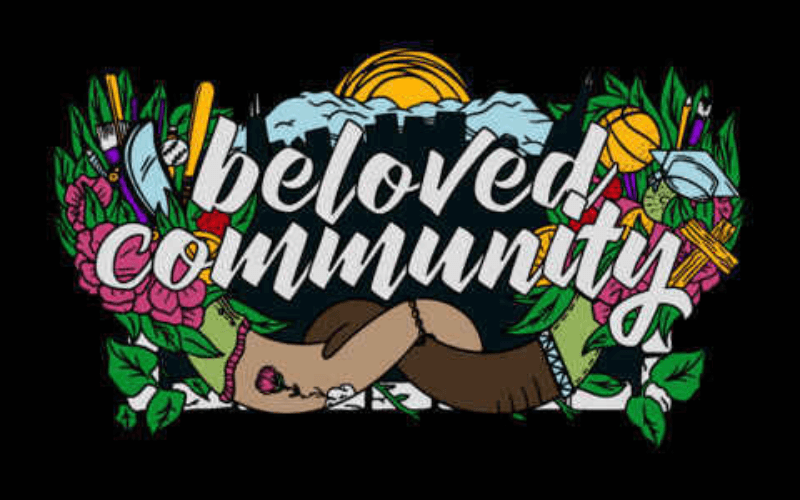
The end is reconciliation; the end is redemption; the end is the creation of the Beloved Community.
~ Dr. Martin Luther King Jr.
The idea of a Beloved Community did not begin with Martin Luther King Jr., but he gave it voice and moral urgency. The concept emerged from early 20th-century Christian social philosophy — particularly through the work of Josiah Royce, founder of the Fellowship of Reconciliation — and was later embraced by King as a vision for what could follow the struggle for civil rights: a world grounded in justice, compassion, and human dignity.
In Dr. King’s vision, the Beloved Community is not an abstract utopia; it is a real possibility. It is a society where conflicts are resolved through reconciliation rather than retaliation, where poverty, racism, and violence give way to mutual care and equality, and where love becomes the ultimate social ethic.
Building the Beloved Community:
Conversations for a Compassionate World
Inspired by the vision of Dr. Martin Luther King Jr. and rooted in the Charter for Compassion’s global mission, Building the Beloved Community is a seven-week conversation series designed to help us explore what compassion looks like in practice—within ourselves, our relationships, and our communities.
Each weekly 60-minute session opens with a brief reflection and an invitation into shared inquiry. Participants then engage in a facilitated, drop-in conversation that welcomes diverse voices, lived experiences, and perspectives. Together, we explore the relational, emotional, and moral foundations needed to create communities grounded in dignity, justice, compassion, and collective care.
Every gathering concludes with a Compassionate Action—a simple, meaningful step participants can take during the week to seed the Beloved Community where they live.
This series is open to all, accessible to all, and created to strengthen our shared commitment to a more compassionate world.