
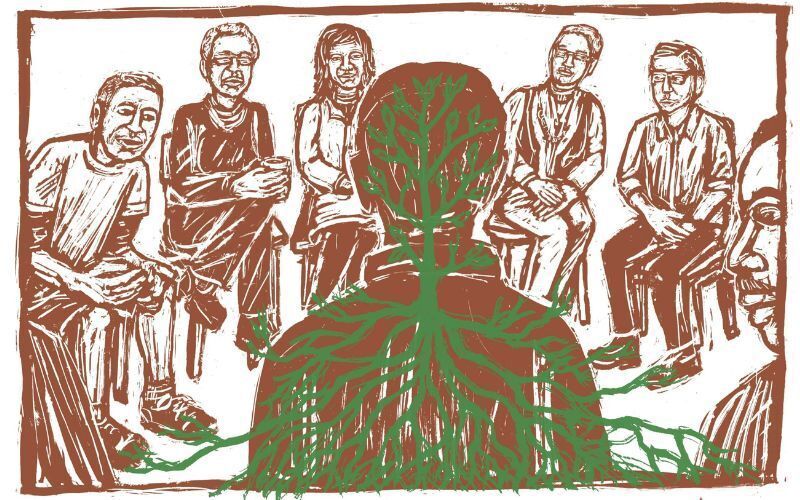
Restorative Justice in the United States
Restorative justice practices are increasingly being implemented in cities, schools, and communities across the United States. While programs differ in scope and design, they share a common goal: to repair harm, foster accountability, and strengthen community relationships through dialogue, empathy, and collaborative problem-solving.
Here are examples of cities and programs where restorative justice has taken root:
- Oakland, California – Restorative Justice for Oakland Youth (RJOY): RJOY is one of the leading organizations in the country advancing restorative justice. It supports schools and juvenile justice systems in adopting practices such as circles, mediation, and restorative conferences. Their work has become a model for addressing school discipline disparities and reducing youth incarceration.
- Denver, Colorado – Denver Restorative Justice Program: Denver’s city-wide program provides diversion and alternative resolutions for both youth and adults. By using restorative circles and victim-offender dialogues, the program allows individuals to take responsibility, repair harm, and reintegrate into their communities with dignity.
- Burlington, Vermont – Community Justice Center: Burlington operates one of the oldest community justice centers in the U.S., offering restorative options for adult and youth offenders. Their programs include victim-offender dialogues, restorative circles, and community conferencing to resolve harm outside of the traditional court system.
- Seattle, Washington – Community Accountability Boards: In Seattle, community members play a direct role in addressing low-level offenses through accountability boards. These boards facilitate dialogue between offenders, victims, and neighbors to encourage accountability, repair relationships, and prevent future harm.
- San Francisco, California – Neighborhood Courts: San Francisco’s Neighborhood Courts provide community-based alternatives for nonviolent offenses. Trained community volunteers facilitate restorative dialogues, focusing on repairing harm and promoting healing rather than imposing punitive measures.
- Minneapolis, Minnesota – Community Healing and Restorative Practices: Minneapolis has integrated restorative justice into community healing initiatives, especially in response to racial inequities and historical trauma. Practices include restorative and healing circles, dialogues on racial justice, and community-based reconciliation efforts.
- Las Vegas, Nevada – Clark County Youth Restorative Program: Formerly known as Trial by Peers, this youth-led initiative provides schools and communities with restorative alternatives to traditional disciplinary systems. The program emphasizes repairing harm, accountability, and student empowerment in the disciplinary process.
Restorative Justice Today
Across the country, restorative justice is being applied in schools to reduce suspensions and expulsions, in juvenile and adult courts as diversion programs, and in grassroots initiatives that address community violence and historical trauma. While programs vary according to local needs, the underlying philosophy remains constant: justice is not achieved through punishment alone but through healing, accountability, and compassion.