

Paul Gilbert
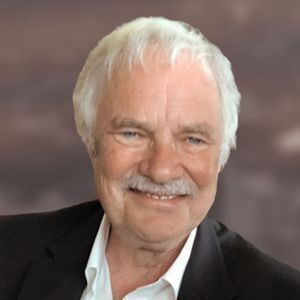
Compassion is one of those words we think we understand — until someone like Paul Gilbert opens it up and shows us how powerful it truly is.
In the newest episode of With Compassion, Jennifer Nadel sits down with Professor Paul Gilbert OBE, founder of Compassion Focused Therapy (CFT), a global leader in compassion science and mental health. What immediately stands out isn’t his body of work — though it’s remarkable — but his kindness, his humility, and the gentle courage with which he talks about suffering and healing.
Paul spends decades studying what helps people thrive, and he keeps returning to one conclusion: compassion is not soft. It’s not naïve. It’s not sentimental.
“Compassion isn’t about being nice. It’s about doing what is necessary to alleviate suffering — even when it is hard.”
That one sentence reframes everything.
Most of us grow up believing compassion means being agreeable or endlessly patient. But as Paul explains, compassion is not a feeling — it is a motivation to act. It asks us to face pain rather than avoid it. It asks us to name what is harmful rather than stay silent. It calls us to support, protect, and sometimes challenge the people or systems that cause suffering.
That isn’t weakness.
That is courage.
Compassion — a biological strength
One of the most eye-opening parts of the conversation is Paul’s focus on physiology. Compassion isn’t an extra — it’s built into us.
The brain systems that support compassion also regulate emotion, support connection, and allow us to think clearly and act wisely. They help us feel safe enough to show up for life and for each other.
“Compassion evolved to help us survive — by caring for our young and protecting each other.”
In other words, we aren’t designed to go it alone. We are designed to care.
When systems block compassion
If compassion is part of our biological wiring, why does it feel so absent in public life?
Paul pulls no punches. He notes that political and economic systems often reward competition, domination, and speed, all of which suppress compassionate behavior.
“You can have compassionate individuals trapped in uncompassionate systems.”
So it’s not that compassion is missing — it’s that systems frequently make it risky.
That’s why compassionate leadership becomes essential. Not leadership that avoids conflict, but leadership that refuses to ignore harm.
Compassion and AI — a defining moment
The conversation shifts into the digital future. Can compassion matter in a world shaped by artificial intelligence?
Paul believes it can — if we choose it.
Technology amplifies what is already inside us. Without compassion, AI accelerates harm. With compassion, it becomes a tool for reducing suffering on a scale humanity has never known.
“Will compassion shape the systems we build — or will the systems we build extinguish compassion?”
It’s a question worth sitting with.
Why hope is not naïve
Despite the challenges, Paul is not pessimistic. In fact, he is deeply hopeful — and with reason.
Research keeps confirming what wisdom traditions have been telling us for centuries:
compassionate families, workplaces, and communities are healthier, more resilient, and happier.
People want to act compassionately once they understand what compassion actually is — a psychological, biological, relational strength that allows us to face suffering and work to alleviate it.
“When people understand compassion, they want to practice it.”
Hope grows every time knowledge spreads.
This episode of With Compassion is not abstract or academic — it is profoundly human. Paul Gilbert brings compassion down from the clouds and places it in our hands, where it belongs.
You don’t need to have the answers.
You don’t need to have lived a perfect life.
You just need the willingness to notice suffering and take steps to reduce it.
Sometimes those steps are small. Sometimes they are enormous. Either way, they matter.
And as you listen, you might find yourself reflecting on the same question Paul leaves us with:
What could change — in our homes, our politics, our communities, and our world — if compassion guided the systems we build?
Let’s keep exploring that possibility together.
Listen to their episode on Substack.